Yellow Roses Font Review
It was a Tuesday morning, and the team was finalizing a seasonal sale graphic for a boutique online shop. The deadline was tight, and we needed a font that felt fresh, approachable, and visually engaging. That’s when I reached for Yellow Roses, a handwritten script font with a soft, playful vibe. It didn’t just fit the aesthetic—it elevated the whole design.
What Is Yellow Roses?
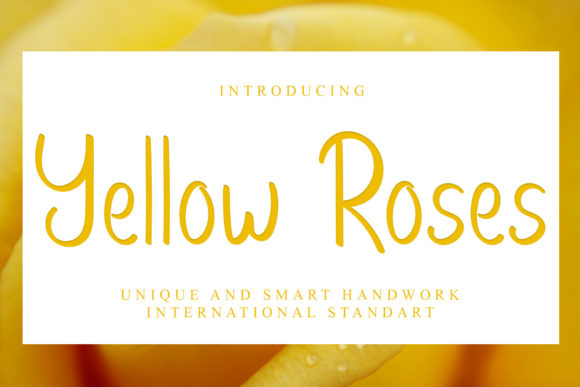
Yellow Roses is a simple handwritten font designed for creative flexibility. Its clean, flowing strokes and subtle imperfections give it a personal, handcrafted feel. The font has a friendly, warm personality that works well in campaigns aiming to feel authentic and relatable. It’s not overly ornate, but it carries enough character to stand out in a sea of generic typefaces.
Its adaptability makes it ideal for a range of applications, from social media posts to promotional banners. Whether you're designing a product teaser or a webinar banner, Yellow Roses can add a touch of charm without overwhelming the message.
Real Campaign Use: Social Media Graphics
One of the first places I tested Yellow Roses was in a series of Instagram posts for a new line of eco-friendly home products. The font worked well as a headline for each post, adding a personal, inviting tone. On mobile screens, it remained legible, especially when paired with a bold sans serif for contrast.
For YouTube thumbnails, I used Yellow Roses in a callout overlay on a dark background. The font’s soft curves stood out against the deep color, drawing attention without being distracting. It also helped reinforce the brand’s friendly, approachable image.
Designing for Digital Visibility
When working on digital ads, I found that Yellow Roses performed best in short headlines and callouts. Its organic style made it perfect for campaign labels, such as “Limited Time Offer” or “New Arrivals.” However, I avoided using it for long paragraphs or dense information, where clarity and readability are key.
On Pinterest, where visuals are often small and fast-scrolling, Yellow Roses held up well when used sparingly. It added a unique flair to pin titles and captions, helping content stand out in a crowded feed.
Brand Consistency and Audience Engagement
Using Yellow Roses across multiple platforms helped maintain a consistent visual identity. In an email newsletter, it served as a header for a special promotion, creating a cohesive look with the rest of the design. The font’s warmth encouraged engagement, making the content feel more personal and less transactional.
For a branded template pack, I paired Yellow Roses with a clean sans serif for body text. This combination allowed the script font to shine without competing with the main message. It also gave the templates a professional yet approachable feel, suitable for both casual and semi-formal campaigns.
Practical Font Pairing and Usage Tips
Yellow Roses pairs well with other handwritten or script fonts, but it also contrasts nicely with modern typography. A sleek sans serif like Montserrat or Poppins can balance its organic flow, making it easier to read in larger blocks of text.
When using Yellow Roses in digital campaigns, keep the text size generous, especially for mobile views. Avoid using it in tiny text sizes or on busy backgrounds, where it may lose clarity. For dark backgrounds, ensure there's enough contrast to maintain legibility.
Before integrating Yellow Roses into client projects or commercial campaigns, check the included styles, alternates, and ligatures. These features can enhance the font’s versatility and help avoid repetition in design work.
When Not to Use Yellow Roses
While Yellow Roses is versatile, it’s not suited for every scenario. In formal corporate communications, its casual style might not align with the brand’s tone. Similarly, it’s not ideal for long-form content, where readability and structure are paramount.
If the goal is to convey professionalism or authority, a serif or sans serif font would be more appropriate. Yellow Roses shines best in creative, expressive, or informal contexts where personality matters.